
That Dam Winnipeg River Tour
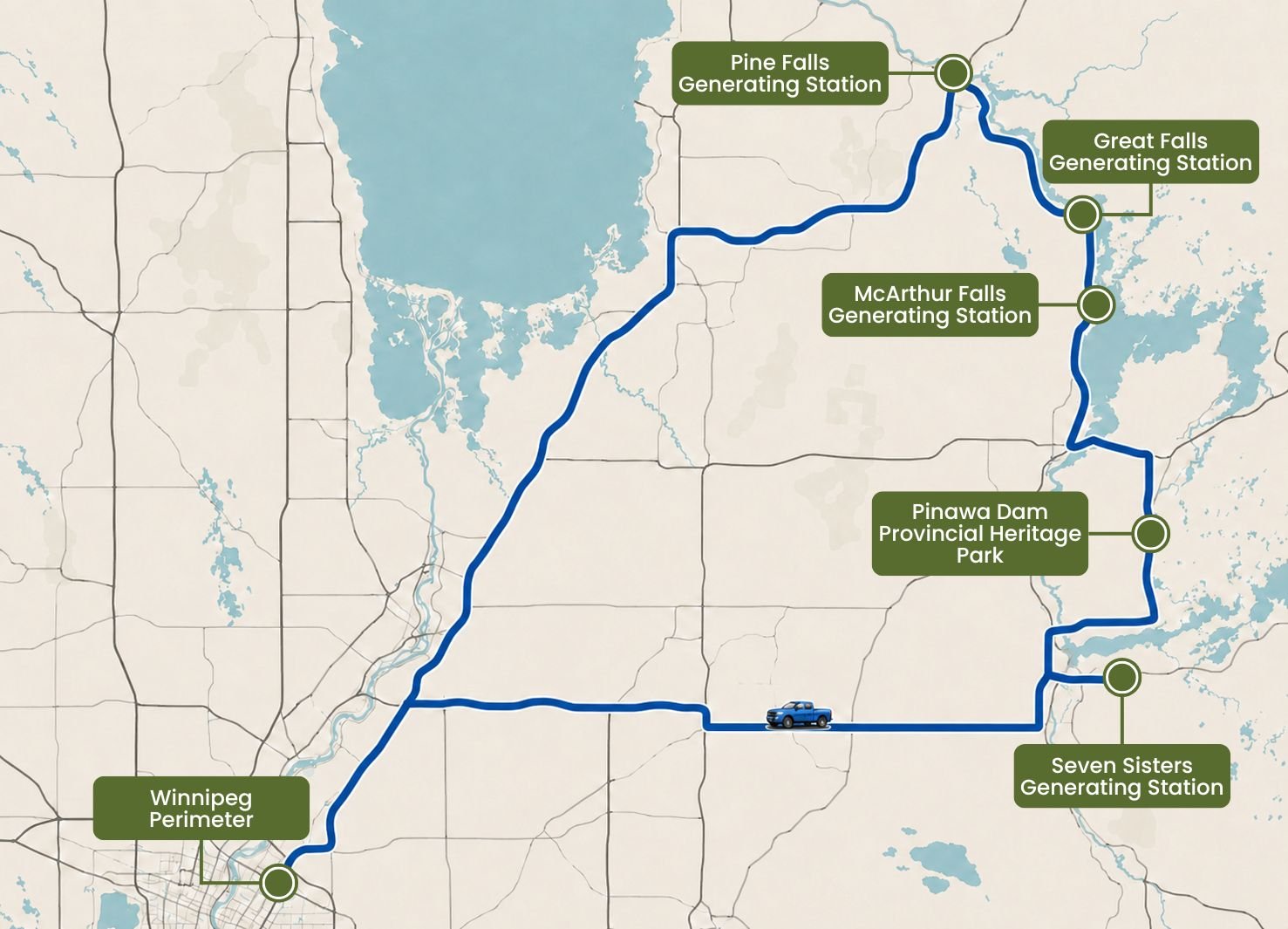
Looking for a road trip with incredible river views and a fascinating story around every bend?
This day trip follows the Winnipeg River through more than a century of Manitoba’s hydroelectric history. Along the way, you will visit four operating generating stations and explore the remains of the historic Pinawa Dam—the place where year-round hydroelectric generation on the river began.
Long before Manitoba’s largest hydroelectric developments were built on the Nelson River, the Winnipeg River was at the centre of the province’s growing power system. Its strong current, dependable flow and series of natural falls made it possible to generate electricity within transmission distance of Winnipeg.
The Pinawa Generating Station began sending power to Winnipeg in 1906. Pointe du Bois followed in 1911, Great Falls in 1923 and Seven Sisters in 1931. Pine Falls and McArthur Falls were added during the postwar period as rural electrification, industry, agriculture and household electricity use placed new demands on the provincial system. These developments helped power Winnipeg’s streetcars, street lighting, homes, businesses and expanding communities, while also supporting major industrial operations such as the paper mill at Pine Falls.
Today, most of Manitoba Hydro’s electricity is generated on the Nelson River, but the Winnipeg River remains an active part of the provincial system.
Along the way, you will find scenic lookouts, rushing water, impressive engineering and beautiful stretches of the Winnipeg River. The route is just as rewarding for photographers and nature lovers as it is for anyone interested in Manitoba’s history.
Trip Snapshot
Distance: Approx. 280 km round trip
Drive Time: Approximately 3 hours, 9 minutes round trip
Recommended Time: 8 to 10 hours
Great For:
History enthusiasts
Families
Couples
Photographers
Before You Go
The operating generating stations on this route are active industrial facilities rather than visitor centres. Enjoy them from public roads, parking areas, walkways and designated viewpoints. Follow all posted signs, remain outside fenced or restricted areas and stay well back from spillways, riverbanks and waterway barriers. Water levels and currents near generating stations can change quickly.
Stop 1: Pine Falls Generating Station
Distance from Winnipeg Perimeter: Approx. 1 hour, 5 minutes
Begin your journey at the final generating station on the Winnipeg River before its waters reach Lake Winnipeg.
Construction of the Pine Falls Generating Station began in 1949 during a period of rapid change in Manitoba. Electricity demand was rising faster than planners had anticipated as industry and agriculture expanded and more Manitoba communities gained dependable electrical service. The station’s first generator entered service in 1952, and all six units were installed as part of the initial development.
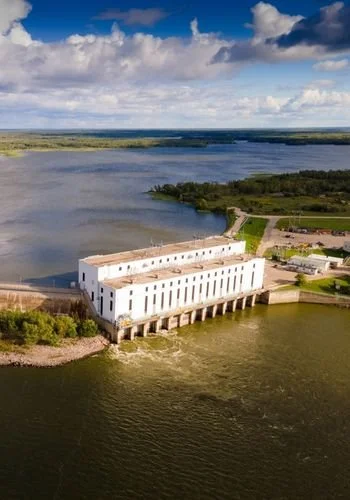
The station is located in Powerview-Pine Falls and includes a 151-metre powerhouse, six spillway gates, and a series of dam structures. Its location also serves as a river crossing, offering travellers an opportunity to appreciate the width of the lower Winnipeg River and the scale of the infrastructure built across it.
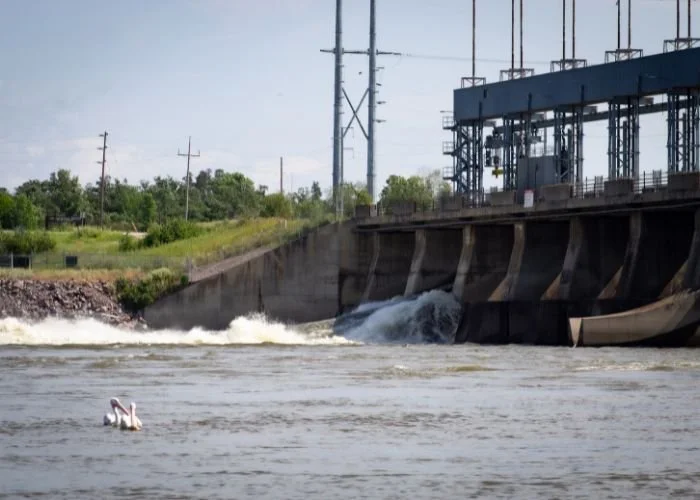
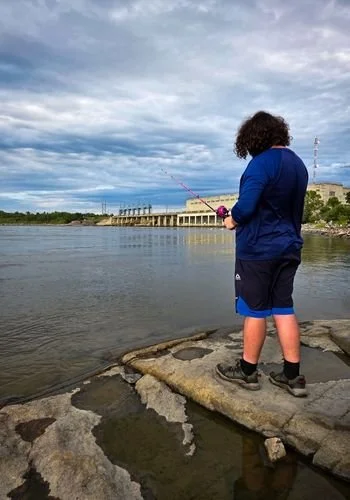

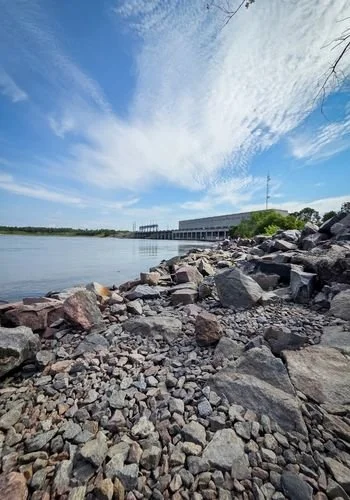
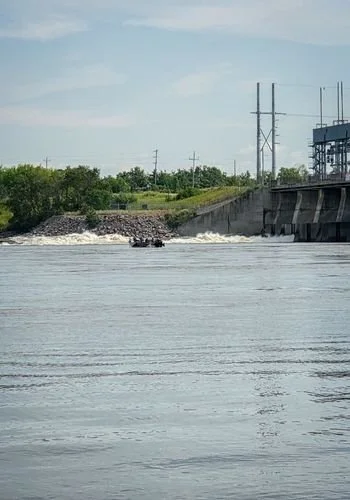
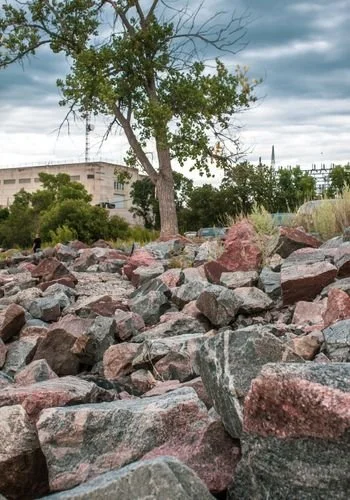
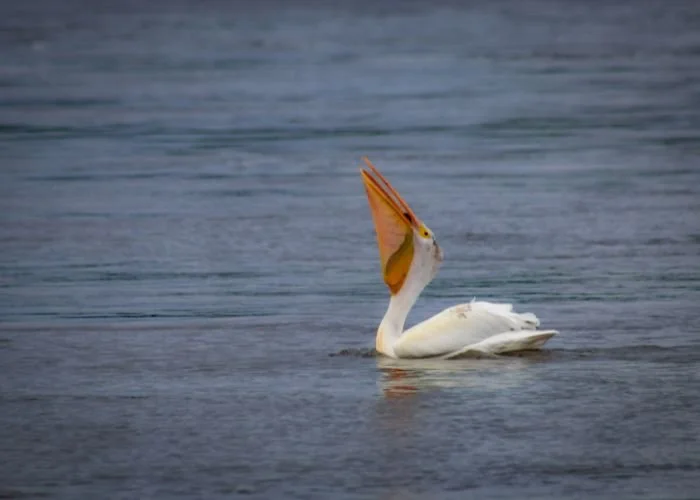
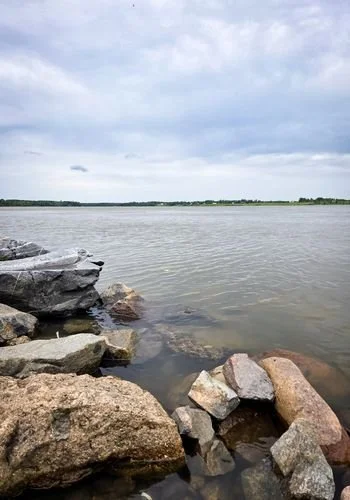

Power at a Glance: Pine Falls has a net generating capability of 88 MW. In 2024–25, it accounted for approximately 1.73 percent of all electrical energy generated or purchased by Manitoba Hydro.
Stop 2: Great Falls Generating Station
Distance from Pine Falls Generating Station: Approx. 15 minutes
Travel upstream to Manitoba’s second-oldest hydroelectric generating station that remains in operation.
Construction at Great Falls began in 1914 but was halted during the First World War. Work resumed in 1919, stopped again because of financial difficulties, and then moved ahead in earnest in 1921.
The Winnipeg Electric Railway Company developed the station at a time when electricity and public transportation were closely connected. The company operated Winnipeg’s electric streetcars and used access to dependable hydroelectric power to expand service into surrounding communities while supplying electricity for homes, businesses, and street lighting.
The first generator at Great Falls entered service in January 1923, followed by the second in April. A third unit was added in 1926 to help supply the new paper mill at Pine Falls, and the remaining units entered service by 1928 as electricity demand continued to grow.
More than a century later, all six turbine generators remain part of Manitoba’s electrical system. The station’s 116-metre powerhouse stands beside a 17.7-metre drop in the river, making this one of the most dramatic generating sites along the route.
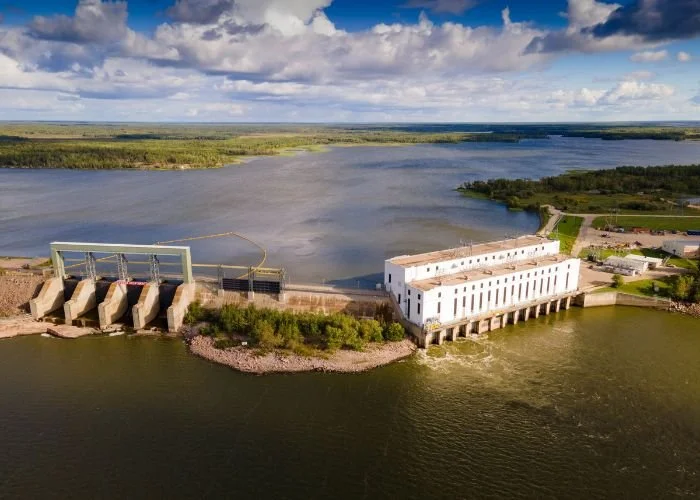
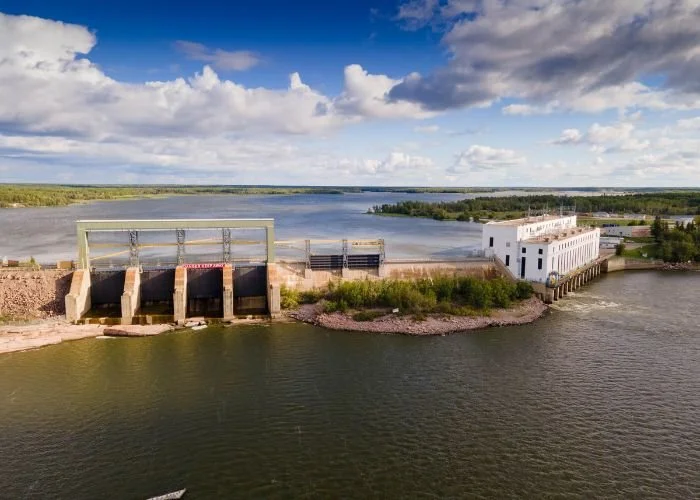
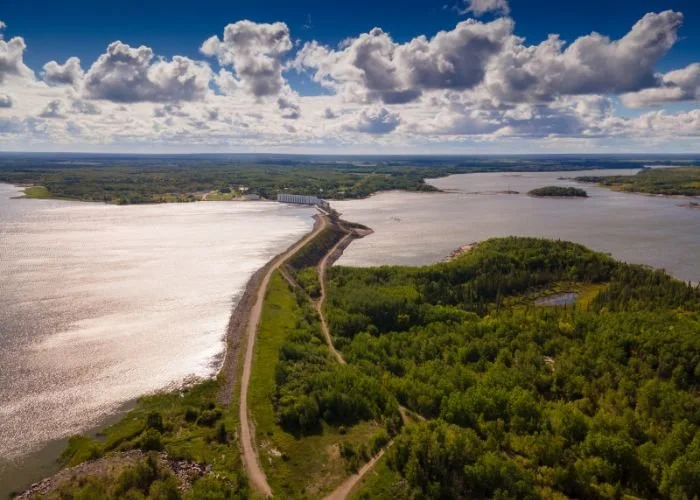
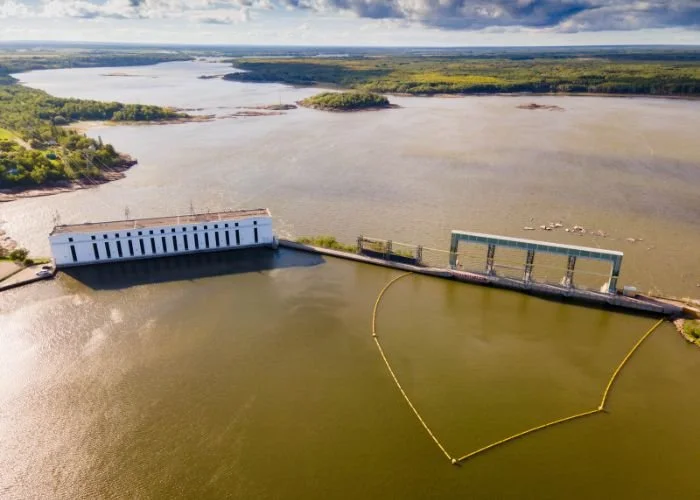
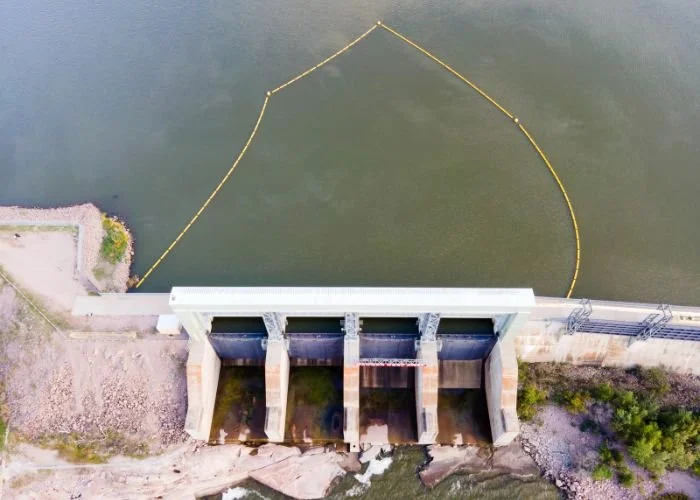
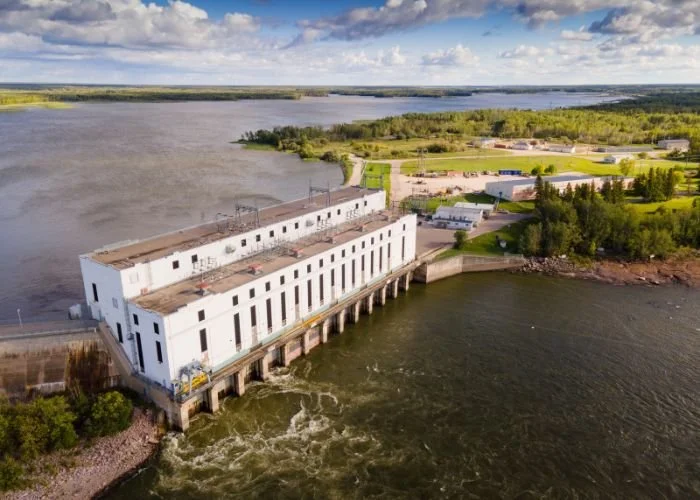
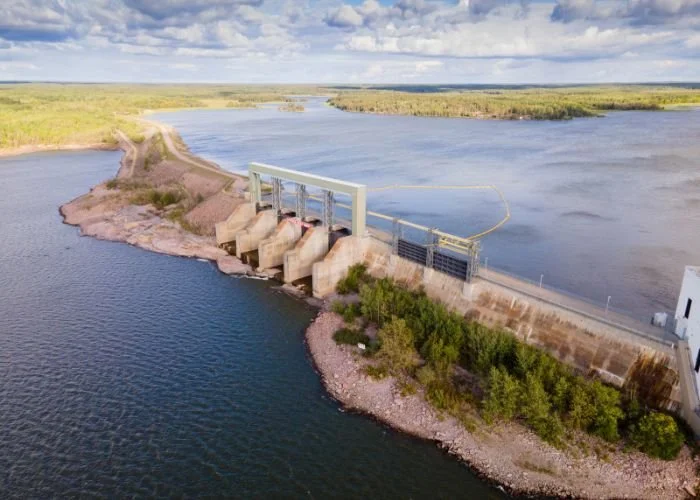
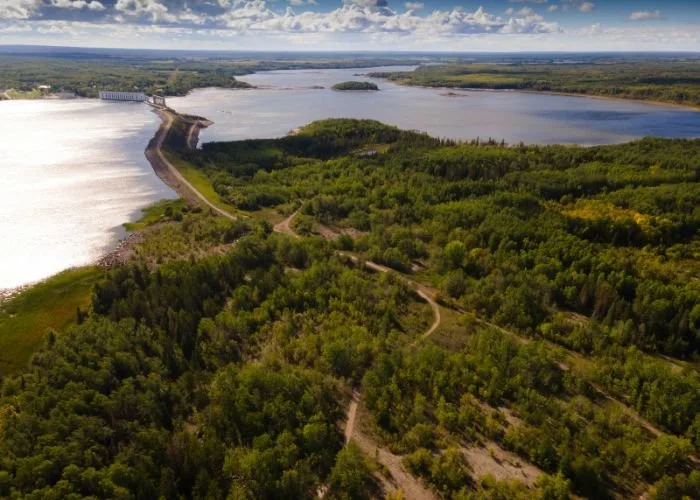
Power at a Glance: Great Falls has a net generating capability of 137 MW. In 2024–25, it accounted for 1.89 percent of all electrical energy generated or purchased by Manitoba Hydro.
Stop 3: McArthur Falls Generating Station
Distance from Great Falls Generating Station: Approx. 10 minutes
Continue south to the smallest and newest of the generating stations operating on the Winnipeg River.
Construction began in 1952, the first generator entered service in 1954, and the station was completed in 1955. Its development marked the end of the major hydroelectric construction period on the Winnipeg River. Manitoba’s attention would soon turn toward larger generating opportunities on the Saskatchewan and Nelson rivers.
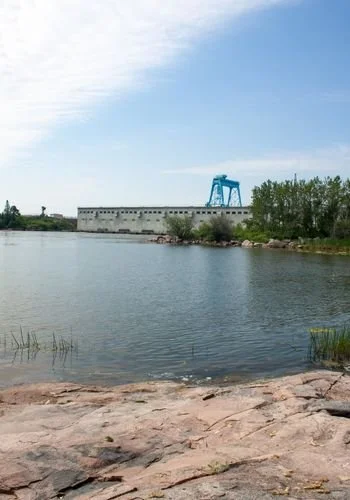
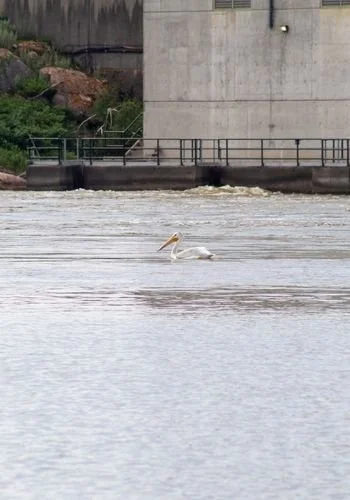
Although McArthur Falls is the smallest operating station on the river, its design is impressive. The 177-metre powerhouse contains eight turbine generators operating with a river drop of only seven metres. The station also includes eight spillway gates and an extensive system of dykes that help hold back and regulate the water in Lac du Bonnet.
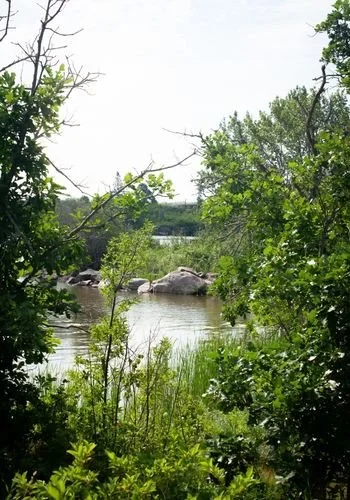
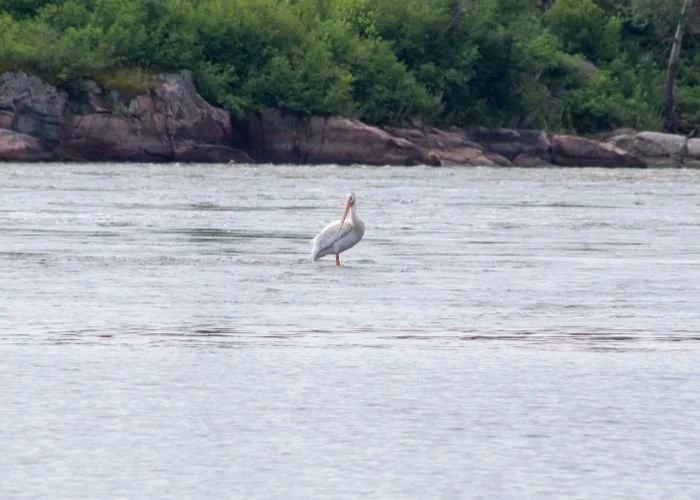
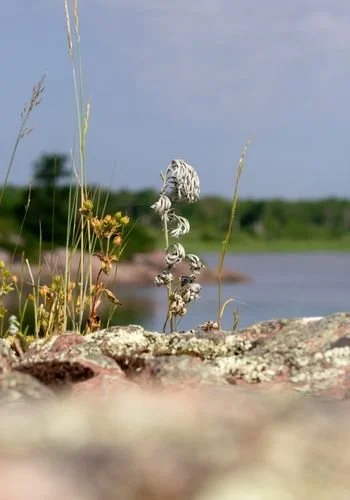
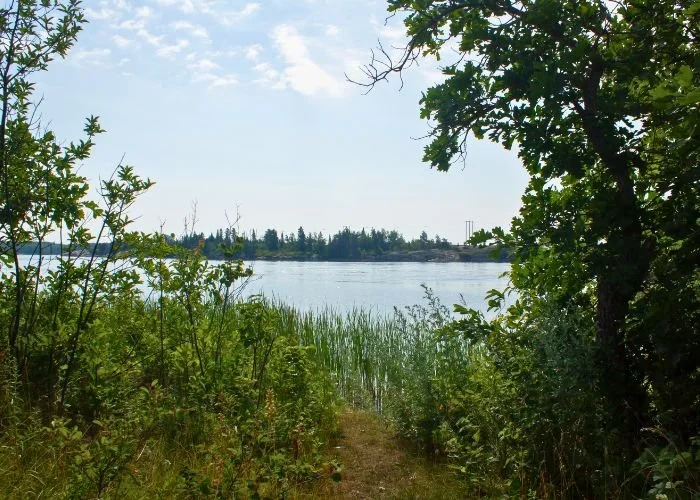
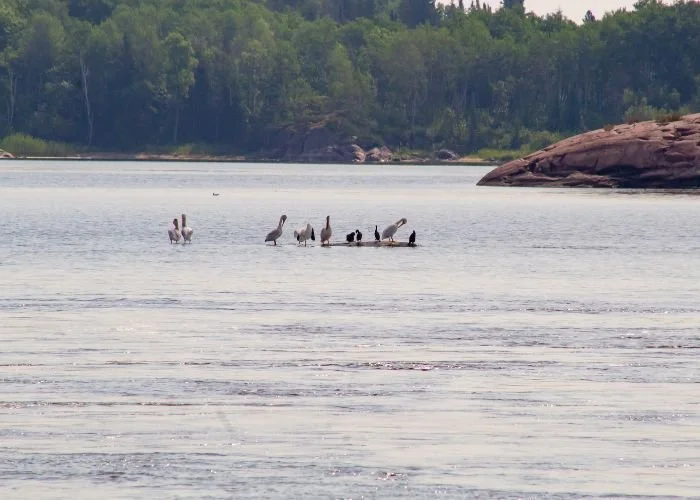
Surrounded by forest and the broad waters of the Winnipeg River, the stop offers another opportunity to see how engineers adapted each generating station to a different section of the river.
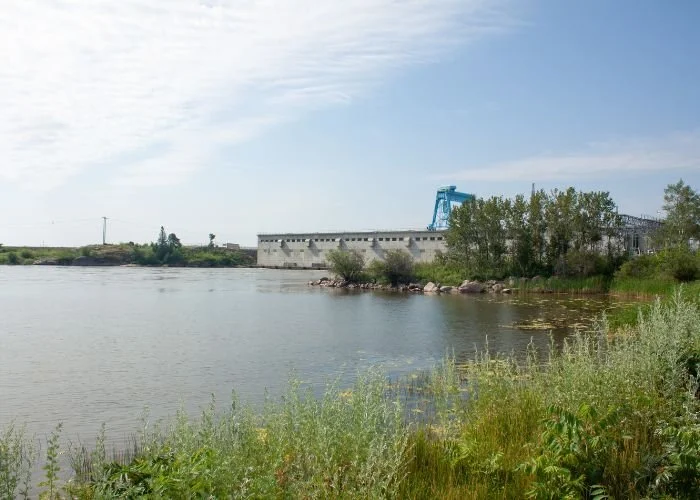
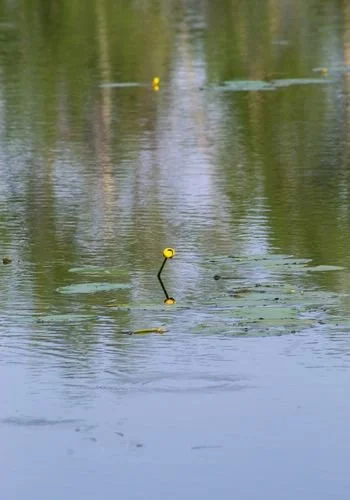

Power at a Glance: McArthur Falls has a net generating capability of 55 MW. In 2024–25, it accounted for 0.92 percent of all electrical energy generated or purchased by Manitoba Hydro.
Stop 4: Pinawa Dam Provincial Heritage Park
Distance from McArthur Falls Generating Station: Approx. 23 minutes
Now step back to the place where year-round hydroelectric generation began.
Construction of the Pinawa Generating Station began in 1903, and the station started delivering power to Winnipeg in June 1906. It was the first hydroelectric generating station on the Winnipeg River and the first in Manitoba designed to operate throughout the year. The Minnedosa River Plant, on the Minnedosa River (now known as the Little Saskatchewan River), was the first generating station in Manitoba and operated seasonally for eight months of the year.
Pinawa began with six generating units and a total capacity of eight MW. Three more units were added in 1907, and the station was re-rated to a total capacity of 22 MW in 1912. The power it supplied supported Winnipeg during one of the fastest periods of growth in the city’s history.
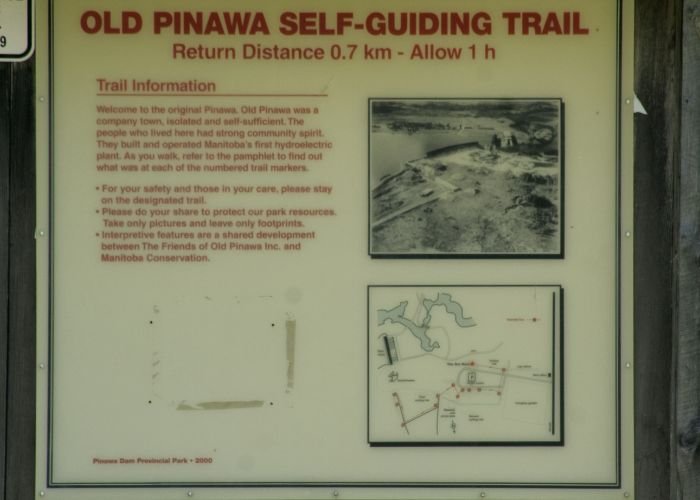
A company town developed beside the station, providing homes and community facilities for the workers and families who lived at the isolated site. When the plant closed in September 1951, the river’s flow was redirected so it could be used more efficiently by the larger Seven Sisters Generating Station downstream.
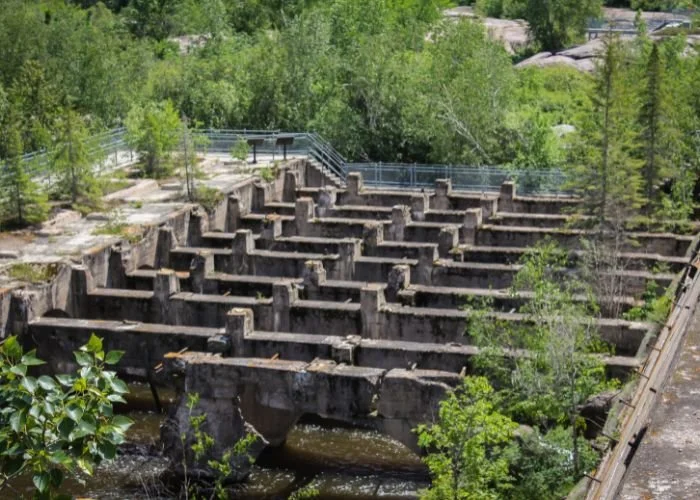
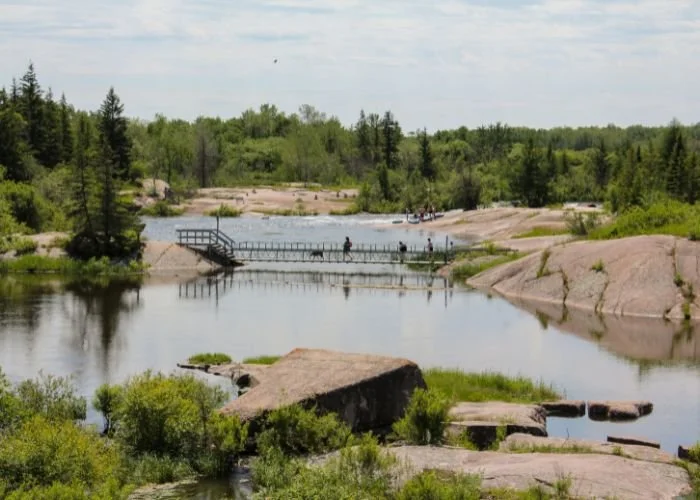
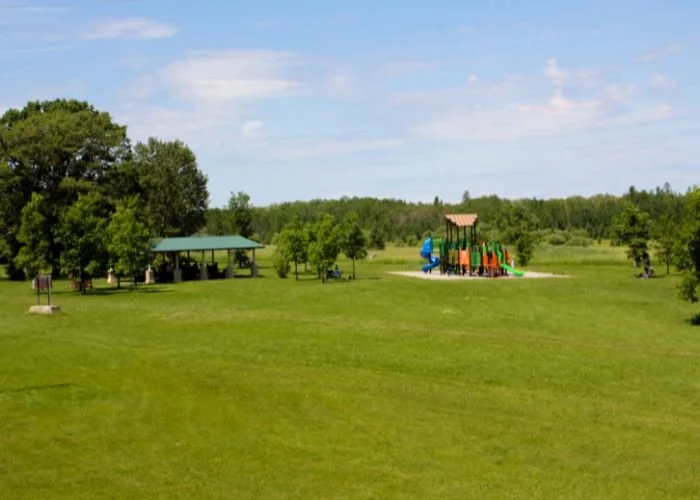
Today, the towering concrete remains make Pinawa Dam Provincial Heritage Park the most immersive historical stop on the trip. Unlike the operating stations, visitors can walk through the landscape and explore the remains of the former development.
Follow the Dam Ruins Walk to learn how the generating station operated, or take the Old Pinawa Self-guiding Trail through the former townsite. Interpretive signs and markers help bring the once-busy company community back to life.
Please note, a Manitoba Provincial Park Vehicle Permit is needed to visit this site.
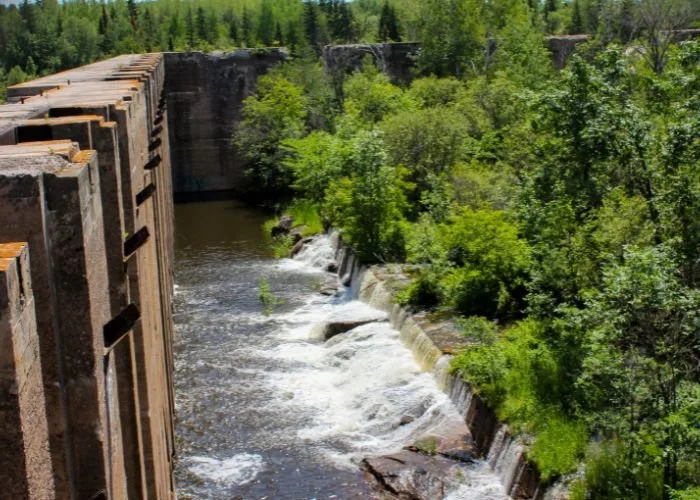
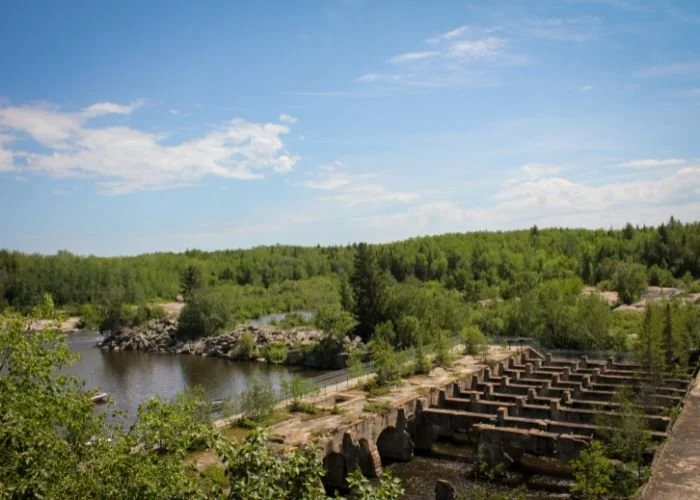
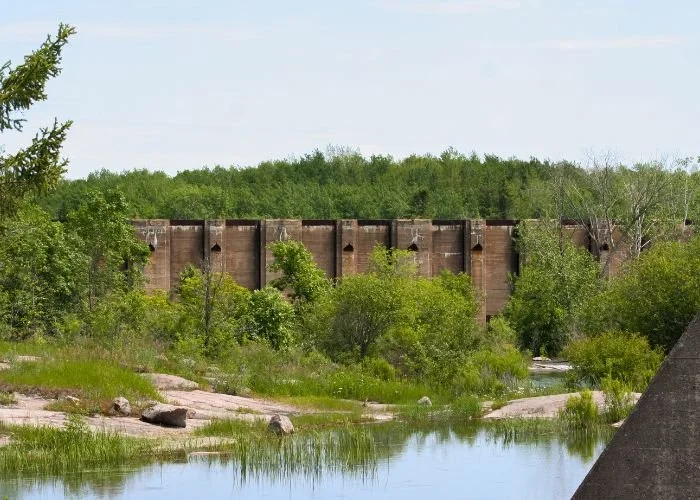
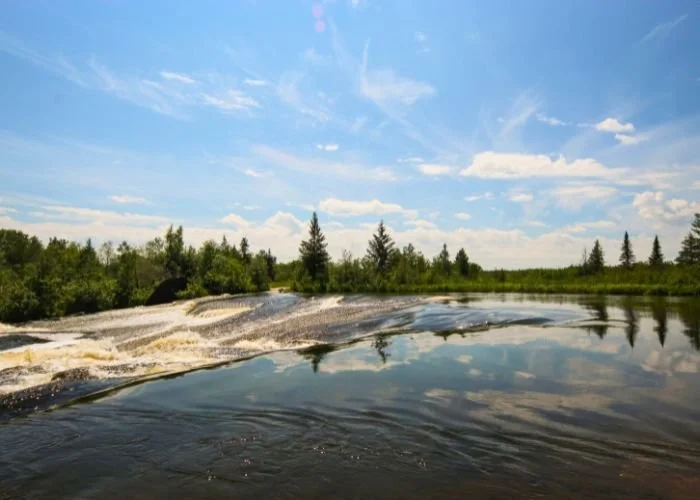

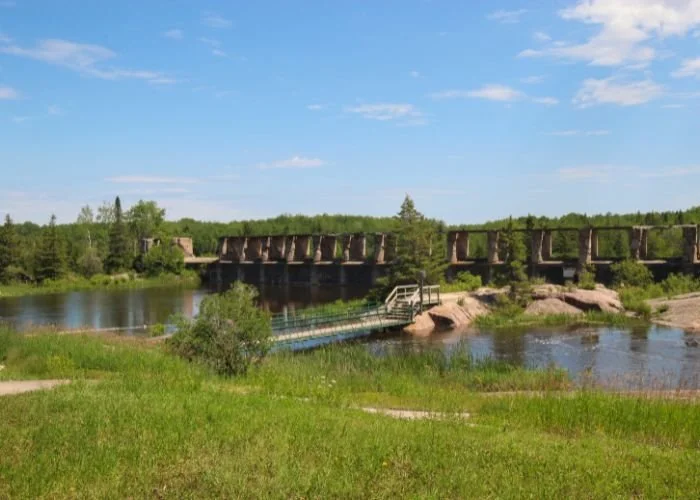
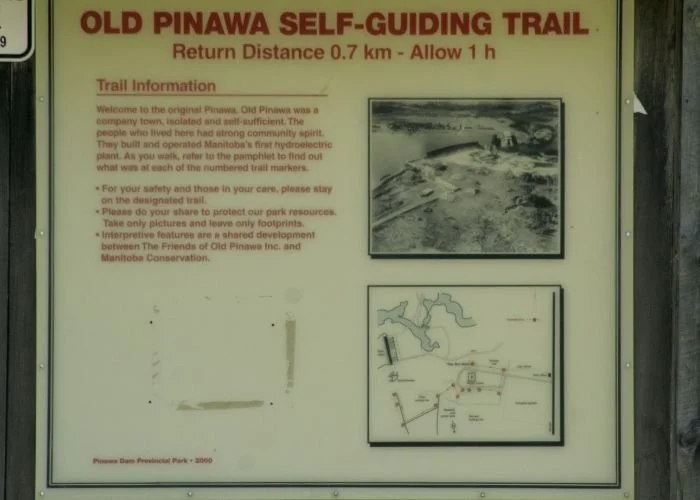
Power at a Glance: Pinawa reached a historical capacity of 22 MW before it was retired on September 21, 1951. It no longer generates electricity, but its closure allowed the Winnipeg River’s water to be used more effectively at Seven Sisters.
Stop 5: Seven Sisters Generating Station
Distance from Pinawa Dam Provincial Heritage Park: Approx. 20 minutes
Finish your journey at the largest producer of electricity on the Winnipeg River.
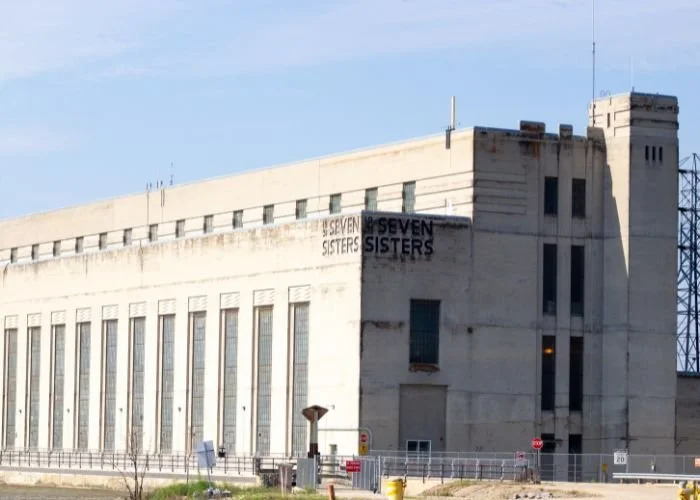
Construction at Seven Sisters began in 1929. The first stage was completed in 1931 and included the dam, powerhouse, three turbine generators and a transmission line carrying electricity toward Winnipeg. Together, the first three units could produce 75 MW—already more than three times the final capacity of the Pinawa station.
The second stage began in 1948 as Manitoba’s postwar economy expanded and the demand for electricity continued to rise. Three additional turbines were installed, with the sixth and final unit entering service in 1952.
The expansion of Seven Sisters also brought the Winnipeg River’s early hydroelectric story full circle. Pinawa was retired so the full river flow could be directed toward the larger station, allowing more electricity to be produced from the same water.
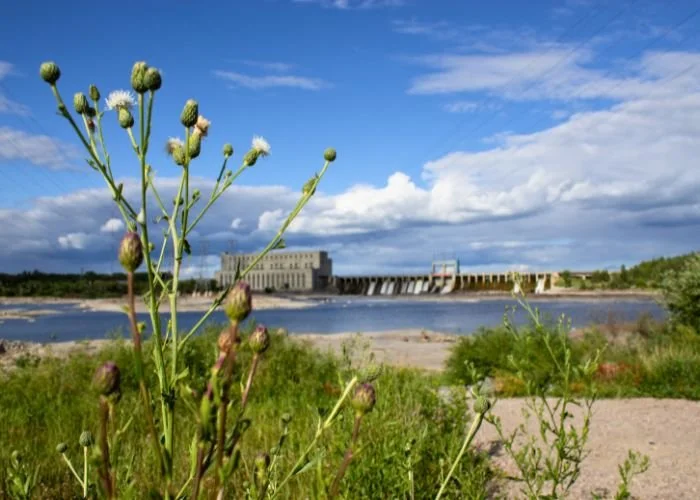
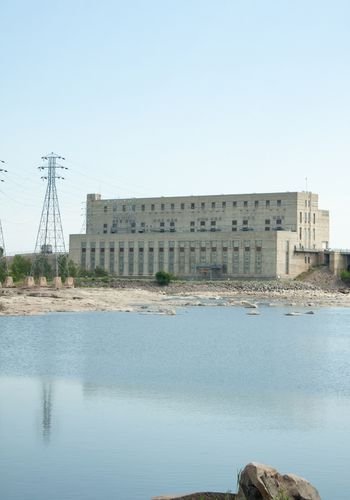
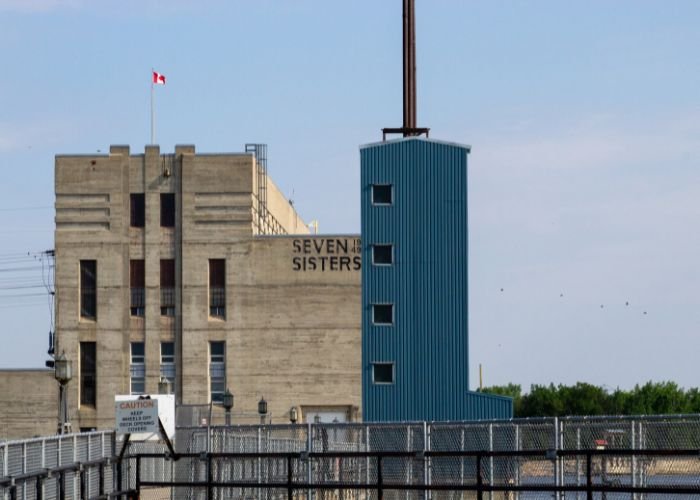
Today, the 128-metre powerhouse stands beside an 18.6-metre drop in the river. With six turbine generators, Seven Sisters remains the largest and most productive generating station on the Winnipeg River.
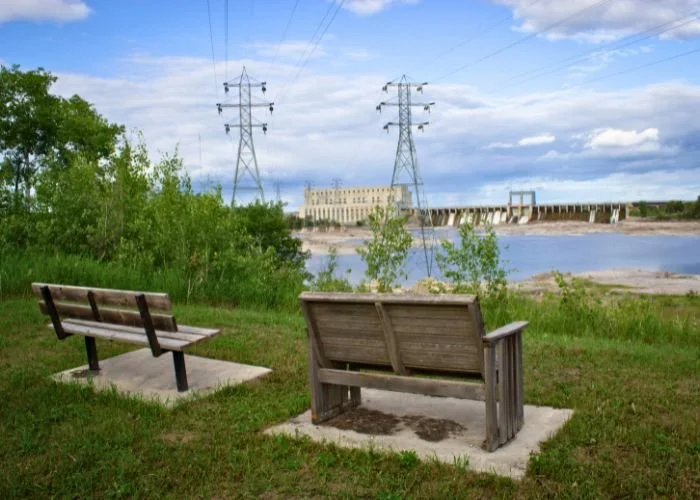
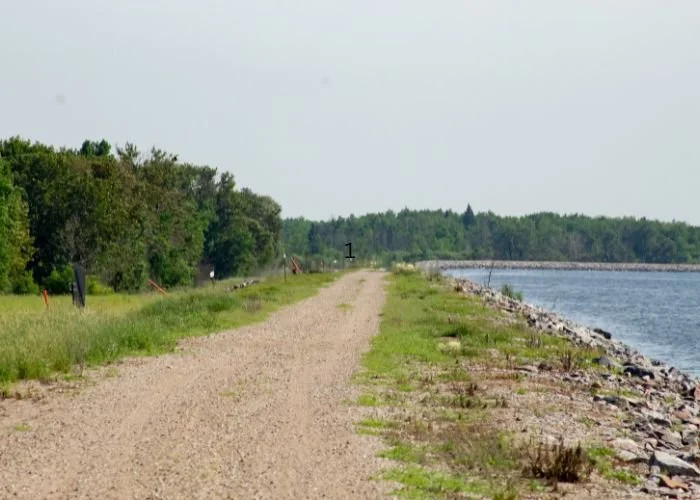
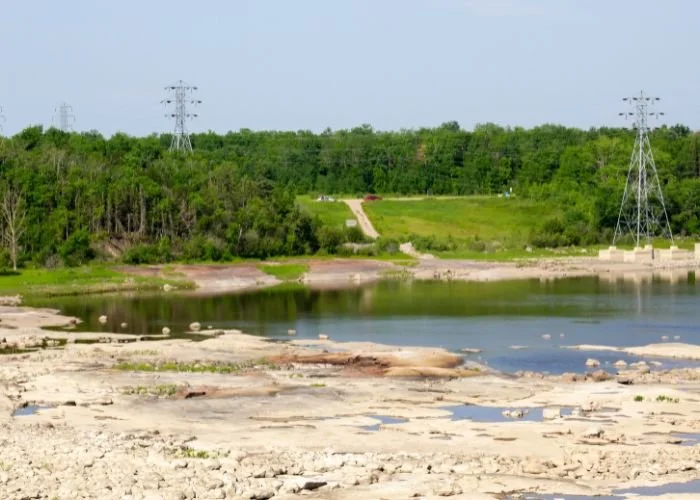
Nearby viewpoints provide excellent opportunities to appreciate both the scale of the station and the surrounding river landscape. If you have time, continue to Whitemouth Falls Provincial Park, where the Whitemouth and Winnipeg rivers meet, or explore a section of the Seven Sisters Trails. The park offers views across the water toward the generating station, along with opportunities for picnicking, fishing and wildlife watching.
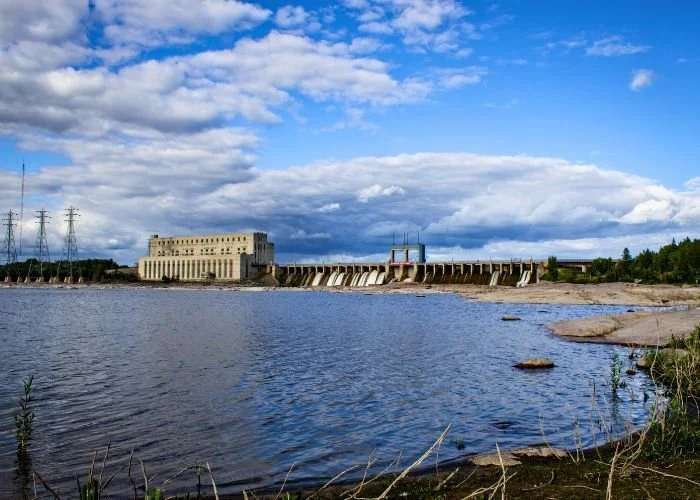
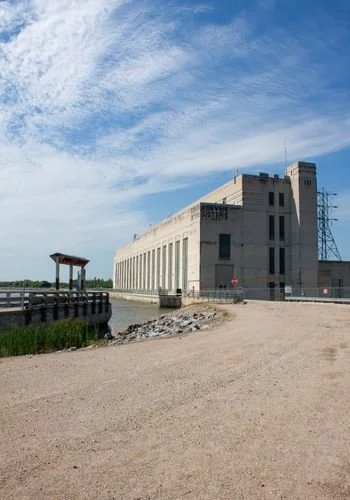


Power at a Glance: Seven Sisters has a net generating capability of 168 MW. In 2024–25, it accounted for 2.72 percent of all electrical energy generated or purchased by Manitoba Hydro.
Plan Your Trip
Take time to explore the surrounding communities for local restaurants, attractions, hiking trails, beaches, museums and small-town charm that make every visit to the Winnipeg River Tourism Corridor unique.